

BLACK TURMERIC TISSUE CULTURE PLANT
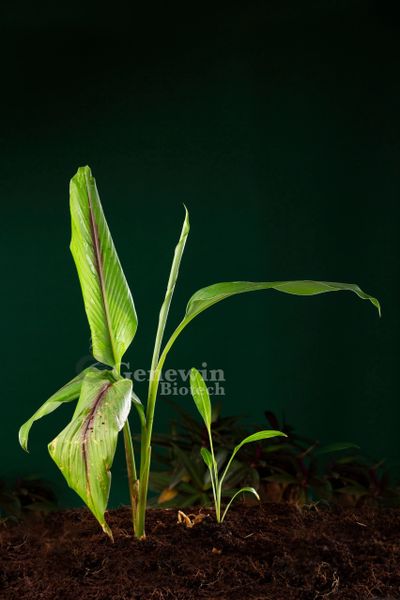
Turmeric Variety
Black Turmeric, scientifically known as Curcuma caesia, is increasingly recognized for its various medicinal uses. Its unique properties have led to interest in methods for propagation, including Black Turmeric tissue culture.
Local Names
Kali Haldi, also known as Black Turmeric, or Kari Manjal in Tamil, is scientifically referred to as Curcuma caesia. This plant is noted for its various medicinal uses of black turmeric, which have been utilized in traditional practices for their health benefits.
Why Black Turmeric?
According to the Indian Agricultural Department, Black turmeric, derived from the Curcuma caesia plant, has been classified as an endangered species. Efforts are underway to protect and conserve this rare herb, and Genewin Biotech plays a significant role in safeguarding Black turmeric from extinction. The underground portion, or rhizome, of Black turmeric is renowned for its medicinal uses, having been utilized for centuries in both medicinal and religious practices.
Photo-Constituents
The dried rhizomes of Curcuma caesia, commonly known as black turmeric, are reported to contain 1.6% essential oil that is rich in d-camphor (76.6%), along with 8.2% camphene and bornylene, and 10.5% sesquiterpenes, curcumin, ionone, and turmerone. These compounds contribute to the various medicinal uses of black turmeric.
Medicinal Uses
Black turmeric, also known as Curcuma caesia, contains the highest concentrations of curcumin among plant species, making it a powerful antioxidant and anti-inflammatory agent. This remarkable herb showcases anti-bacterial and anti-fungal properties, as well as laxative effects. It is often used as a tonic for the brain and heart. Traditionally, the rhizome of black turmeric has been utilized for its medicinal uses, including the treatment of haemorrhoids, leprosy, asthma, cancer, fever, wounds, vomiting, menstrual disorders, and as an anthelmintic and aphrodisiac. It is also beneficial for conditions like gonorrhoeal discharges, leukoderma, piles, bronchitis, tumours, tuberculous glands of the neck, spleen enlargement, epileptic seizures, inflammations, and allergic eruptions. Recent studies have reported the smooth muscle relaxant, anti-tumour, and antioxidant properties of the Curcuma caesia rhizome extract.
Plantation Guidelines
Soil types for growing Black Turmeric (Curcuma caesia) include light black, ashy loam, and red clay loam; however, it thrives best in well-drained sandy or clay loam. The pH range should be between 4 to 8. The ideal temperature for growth is between 20 to 45 degrees Celsius. When it comes to irrigation, either sprinkler irrigation or drip irrigation methods can be effectively used. Once fully grown, the plant reaches a height of 2 to 3.5 feet and spreads between 5 to 14 inches. The flower colors are a beautiful bluish white. Black Turmeric is easy to grow and boasts special features like impressive foliage and rhizomes. For cultivation, Black Turmeric tissue culture plants can be planted year-round.
Planting Distance
1.5 feet x 1.5 feet is an ideal size when considering the cultivation of Black Turmeric tissue culture, which comes from Curcuma caesia and is known for its various medicinal uses of black turmeric.
Plants Per Acre
Between 15,000 to 20,000 plants per acre can be cultivated, particularly focusing on Black Turmeric tissue culture, or Curcuma caesia, known for its various medicinal uses of black turmeric.
Yield Period
The growth cycle for Black Turmeric tissue culture, specifically Curcuma caesia, typically spans about 7 to 9 months, during which the medicinal uses of black turmeric can be fully explored and developed.
Expected Yield
Each plant of Black Turmeric tissue culture, known scientifically as Curcuma caesia, can yield between 750 grams to 1200 grams, highlighting its significance not only in agriculture but also in its medicinal uses of black turmeric.
Advantages of Tissue Culture Plants
True to the type, our Black Turmeric tissue culture (Curcuma caesia) exhibits high market value and offers high yield and quality. With early maturity and being free from all diseases at the time of supply, this variety is perfect for year-round plantation. Notably, its uniform growth enhances its appeal, especially considering the medicinal uses of black turmeric.
Black Turmeric Plant: A Comprehensive Guide